
Home » Cashless Payments Knowledge Hub » Why Data Privacy Matters in a Digital-First World
The last decade has seen a major shift in how people make payments. What once strictly required cash or a card can now be done with a phone tap or QR scan. Digital wallets and cashless payments have now become everyday tools. Not only has it made money management easier, faster, and more secure, but this convenience also brought another important shift to how our personal and financial data is moving into digital systems^[1]. This raises serious questions and concerns about data privacy and how our information is collected, stored, protected, and used.
Data privacy refers to how our personal information, such as transaction details and account data are protected from unauthorised access or misuse. It is about control and trust. Users want assurance that their data shared during transactions and sign-ups won’t be used or sold without consent. Failure to protect personal data implies failed privacy policies, raising concerns about trust and safety. [2]
When the company presents strong data privacy policies, users feel more comfortable sharing information with them. That sense of safety is especially crucial in financial services, where sensitive data like payment credentials and account identification is involved.
https://www.wavetec.com/blog/importance-of-customer-data-privacy/
Digital wallets are applications that store your payment-related information like credit card numbers and account details, securely on a device. This allows you to make purchases without entering all that information again and again. These wallets can be used to make payments in stores, online, and even for person-to-person transfers.^[3]
Digital wallets offer many benefits over traditional payment mechanisms. The major ones are as follows:
Consumer demand for contactless and seamless experiences is driving this growth. At the same time, it places data privacy at the centre of trust in digital finance.
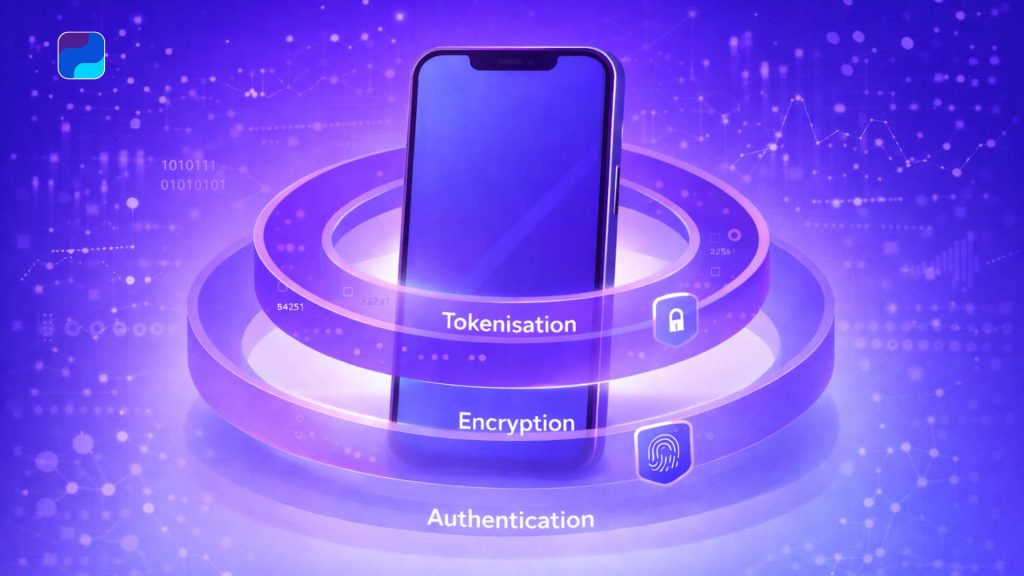
All the reputed digital wallets use multiple layers of protection to ensure the safety and security of user information:
All these features together make digital wallets not only convenient but also strong in terms of data protection. Even when your data is protected during transmission and storage through encryption, it doesn’t automatically control how it may be used or shared within a platform.
Even with such built-in security, digital payments can still carry some risk. Cybersecurity analyses and research have shown that threats such as phishing, malware, and weak authentication can still expose account and payment information if users and service providers aren’t careful.^[8]
This highlights the need for a layered approach. Trusted technology, strong privacy practices, and informed user behaviour all matter.
Payit puts forward a clear example of how data privacy works in a digital wallet. Payit is a popular digital wallet operated by First Abu Dhabi Bank (FAB). As per Payit’s privacy policy, the platform is designed to only collect information that is necessary to provide its services. Also, the collected information is protected through technical safeguards and organisational controls.^[9]
The key points from Payit’s privacy framework include the following:
Payit confirms that user data is protected through encryption and secure storage, whether it’s held within the UAE or in approved international data centres.^[9]
All of this contributes to building trust in Payit as a cashless payment platform.
Data privacy is not just about technology. It is more about transparency, accountability and to what level the users can trust sharing their information. Users want clear information about:
When companies are transparent and clear about these practices, it reflects responsibility and builds users’ confidence.
This expectation is reinforced once again by global data protection trends. Legal frameworks like the European General Data Protection Regulation (GDPR) and various other national data protection laws require strict controls over the collection, storage, and use of personal data. Platforms that align with these principles tend to earn higher trust among sophisticated digital consumers.
Privacy Laws: A Global Perspective – GLOBAL LAW TODAY
At its core, data privacy isn’t just technical. It’s about protecting people’s choices, money, and confidence in digital systems. When users feel that platforms respect and protect their information, they are more likely to depend on cashless payments and explore advanced financial tools.
In contrast, when data practices are opaque or appear risky, users hesitate to share their information. That hesitation not only affects a single platform. This slows down the adoption of digital finance as a whole.
So, privacy isn’t just a regulatory checkbox. It’s a promise to the user: that their data is valued, treated responsibly, and protected every time they send or manage money online.